
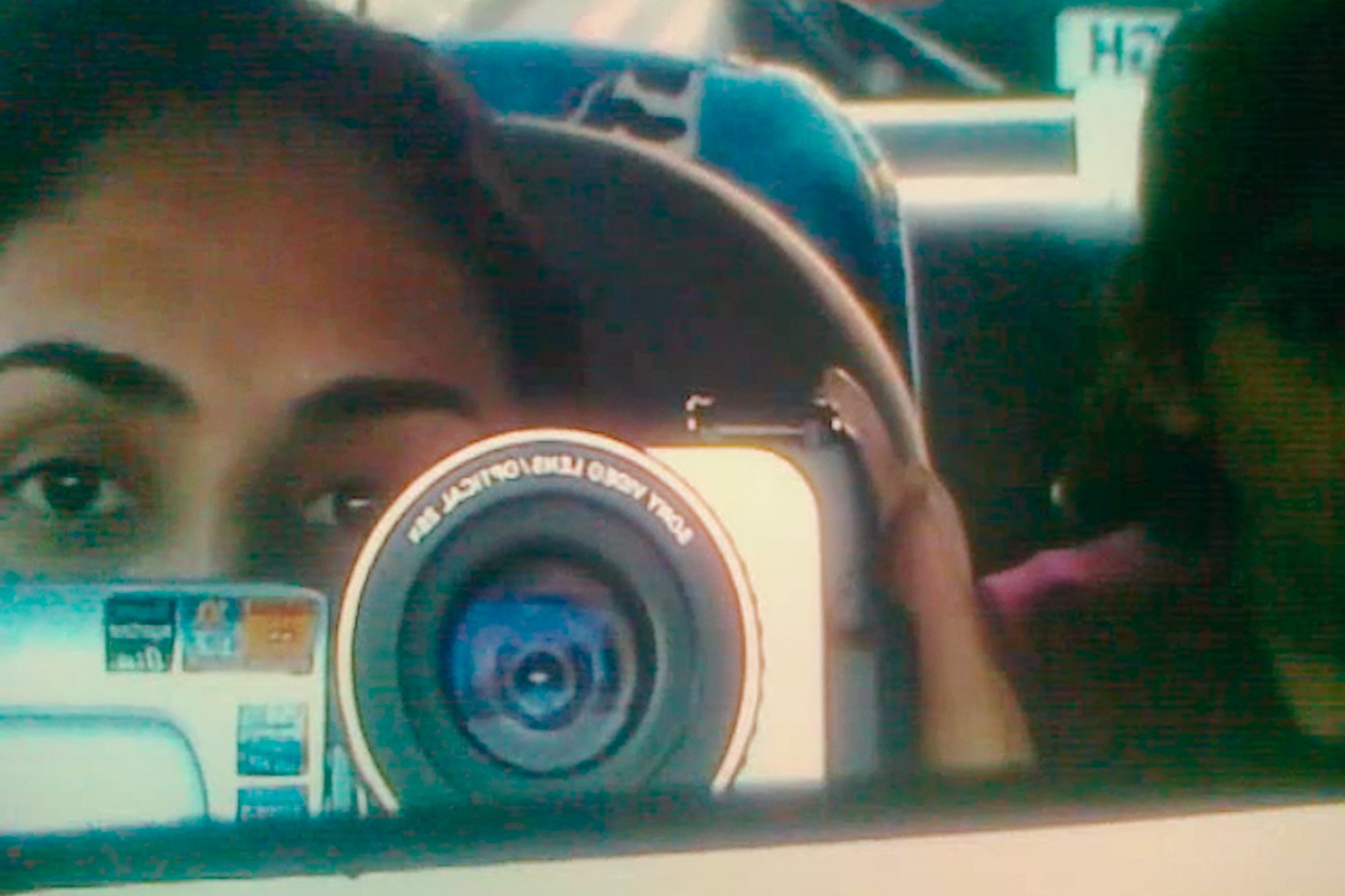
Interview with filmmaker Elham Ehsas, director of the recently premiered short documentary Forgotten Spaceman
by Endre Cserna
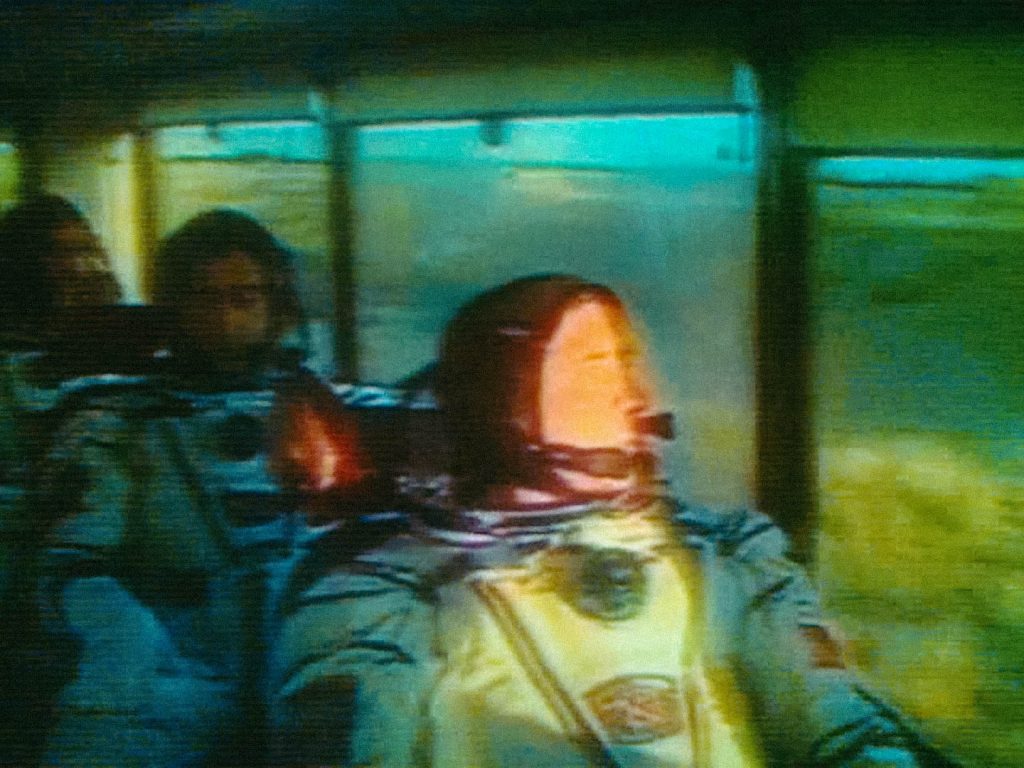
The film follows Afghan cosmonaut Abdul Ahad Momand, who traveled to the Mir space station in 1988 as Afghanistan stood on the brink of collapse, revisiting a fleeting moment of national hope that has since largely faded from memory. Forgotten Spaceman draws on a wide range of archival materials, from private family collections to official state-owned media archives, weaving together personal memories and historical narratives to reconstruct this overlooked chapter of Afghan history.
Could you begin by telling me a little about your professional and artistic background?
I’m a writer-director based in London, working across film and theatre. I started as an actor and moved into writing and directing because I kept finding there were stories I wanted told that nobody else was telling, so I had to tell them myself. My work keeps coming back to the Afghan diaspora like exile and memory. Previous shorts include Yellow, which was BAFTA-nominated and shortlisted for the Oscars, and There Will Come Soft Rains, which won Best UK Short at Raindance. I’ve also done a lot of work in theatre, and I’m currently on the Royal Court Writing Scheme. Forgotten Spaceman is my first documentary.
Forgotten Spaceman seems to be many things at once, and is quite eclectic in terms of form and genre: it functions as a letter, a video essay and a documentary, while also moving between personal recollection and both micro- and macro-perspectives on a particular historical moment. How did you first become interested in this subject, and how does the film relate, if at all, to your previous work?
It was a complete accident. I was researching space for a completely different project and through my research I found out about an Afghan who’d been to space in 1988. I asked my parents and they knew who he was but I realised no one else outside of that generation of Afghan had any idea. Even my cousins weren’t so sure about who he was. So it was that gap between what my family knew and what the world knew which became the whole engine of the film. The original plan was a search film of me trying to track him down. Then about three months in, my dad handed me a photograph completely out of the blue and the whole thing shifted. It stopped being about finding a man and became about the photograph, about diaspora, and about all of us as migrants.
I’d always worked in fiction where you build the story and you cast it and you shape it. The documentary humbled me completely. The story was already there, and my job was to listen to it. The eclecticism you mention like with the letter and the essay all at once actually came out of that. I couldn’t pretend to be a neutral historian. I had to be inside the frame because I’m from that country so the piece had to hold all of that at the same time.
How did you gain access to the archival material used in the film? What did the research process look like, and how did that research develop into the film itself? I would be particularly interested in hearing about how the archival and family footage gradually found its place alongside the digital screen recordings, and how you approached bringing these very different kinds of images together within a coherent visual language/aesthetics.
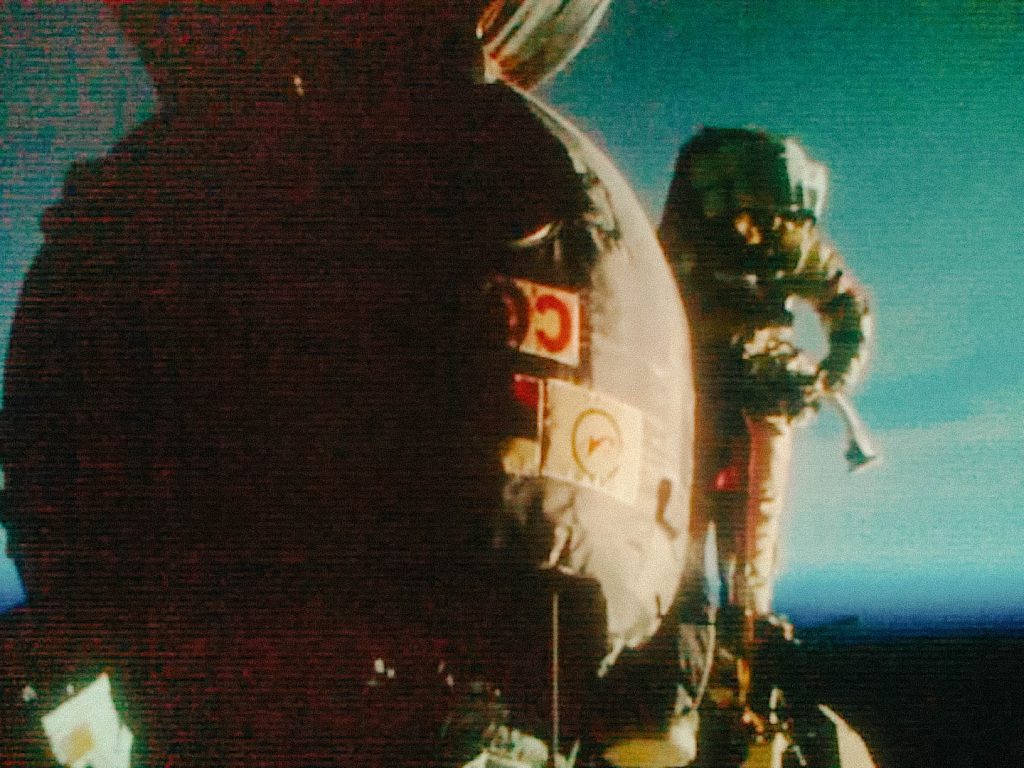
The archive hunt was completely scattered and came from all sorts of sources like Russian archives, some third-party collections, a lot of it in Afghan state media that I got permission to use. And then there was my own family archive which shaped a lot of the film too.
The screen recordings came out of the research process itself. I was spending every day with my cursor moving across all this material, dragging files, opening tabs, going down rabbit holes and so at a point I realised that maybe this was the film and the language I should tell this story in.
For readers who may not be familiar with the history of Afghanistan and the wider region, could you outline the political and historical situation on which the film focuses? In East-Central Europe – although I was born in the second half of the 1990s, so this is more of an inherited cultural memory than a personal one – the late 1980s and the collapse of the Soviet Union are often remembered as a period of a weird kind of optimism, when political and cultural freedoms associated with the West, as well as the arrival of consumer culture, still seemed to carry a certain promise.
The film starts in 1988, right near the end of the Soviet occupation of Afghanistan. The Soviets had been there since 1979, and by the late 80s they were preparing to get out after almost a decade. The Momand mission happened in that window as it was a joint Soviet-Afghan space flight, and meant as a final hail mary shot by the Soviets to show Afghans where they could be if they stayed with the USSR but it didn’t work. They were defeated and kicked out.
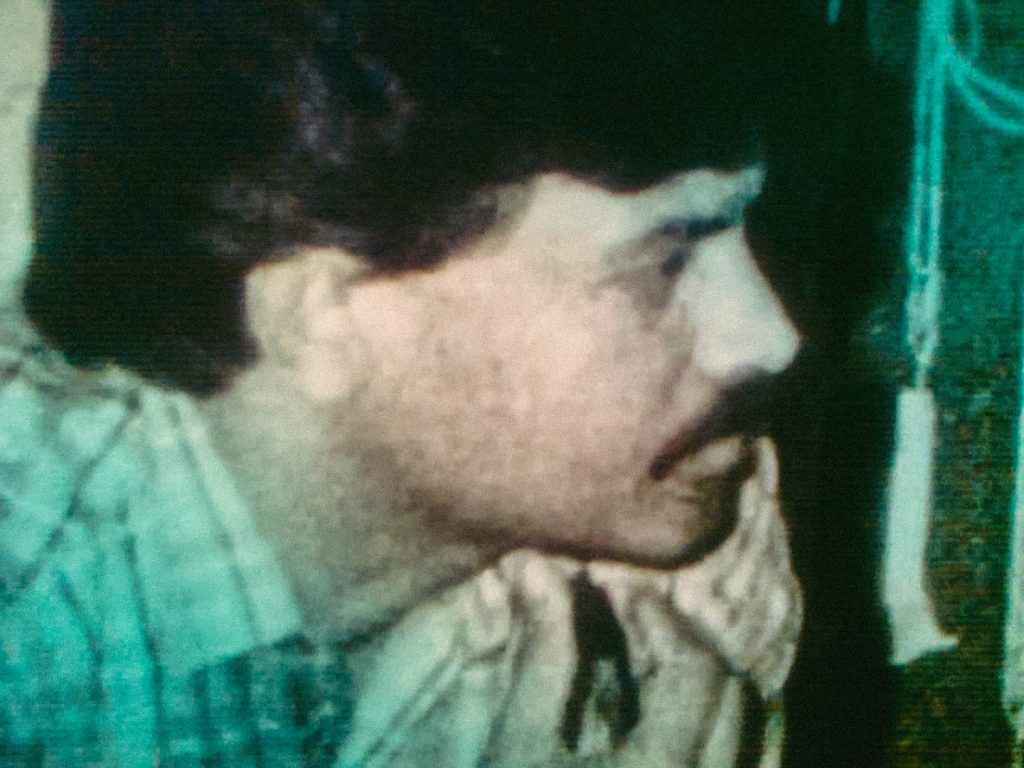
The optimism you describe in East-Central Europe at that time had a strange echo in Afghanistan, but it curdled much faster. Within three years, the Soviets were gone, the government they’d backed had collapsed, and the country was heading into civil war. By the mid-90s, the Taliban had taken Kabul. So Momand’s story sits right on the hinge, that last moment when a different kind of future still seemed possible for Afghanistan before the whole thing fell apart. He came back from space to a country that was already starting to disappear underneath him. And eventually he had to leave it himself.
I don’t want to spoil the film for those who haven’t seen it yet, but perhaps one of its most beautiful lines is about how radically our perspectives can change, and how, in the end, it is often the power structures or the course of history at a given moment that determine what happens to us. How much do you think it is actually possible for an individual to distance themselves from, or remain independent of, these forces?
I don’t think it's very possible to remain agnostic to the forces of life. It’s a tide that will throw you this way and that, whether you like it or not. Momand was literally on the top of the world at one point, but he came back to a falling country which he eventually had to leave to become an accountant in Germany. History just does what it does. It always has.
What you can do is decide what you carry with you. That’s the small piece of agency you get. Momand carried his country into space with him. My mother carried the language. My father carried the stories even when he mostly kept them to himself. You can’t stay independent of the forces but you can still hold on to your own history and take that with you.
Elham Ehsas is a BAFTA nominated and Oscar-shortlisted writer, director and actor.
As a director, his most recent short, Forgotten Spaceman, premiered at Locarno, is BIFA long-listed, played at LFF this year and has also been shown at TIFF, IDFA and CHICAGO amongst others. His debut short, Our Kind of Love was also BAFTA long-listed in 2019 and garnered over 3.6 million views on Youtube whilst another short of his, Yellow, was shortlisted for the Academy Awards and nominated for a BAFTA in 2024. He is currently developing his debut feature film, which he will also direct, with Maya Vision, Ken Loach’s Sixteen Films and the BFI. In 2023, he also worked with Stephen Daldry as the Second Unit Director on the final episode of the last series of The Crown.


